|
|
|
|
|
|
|
|
|
|
Member: |

|
|
|
|
|
|
|
|
|
|
|
|
| "Before you embark on a journey of revenge, dig two graves." Confucius (551-479 BC) |
|
|
 |
|
 |
|
|
|
|
|
|
|
|
|
Malas - Tibetan Rosary >> Wood
|
|
|
 |
|
Please contact us to verify availability. 1-626-354-6228
Email: zambalallc@gmail.com
America area customers can view on this website first.
https://FlyingMystics.org/ |
|
|
|
|
|
|
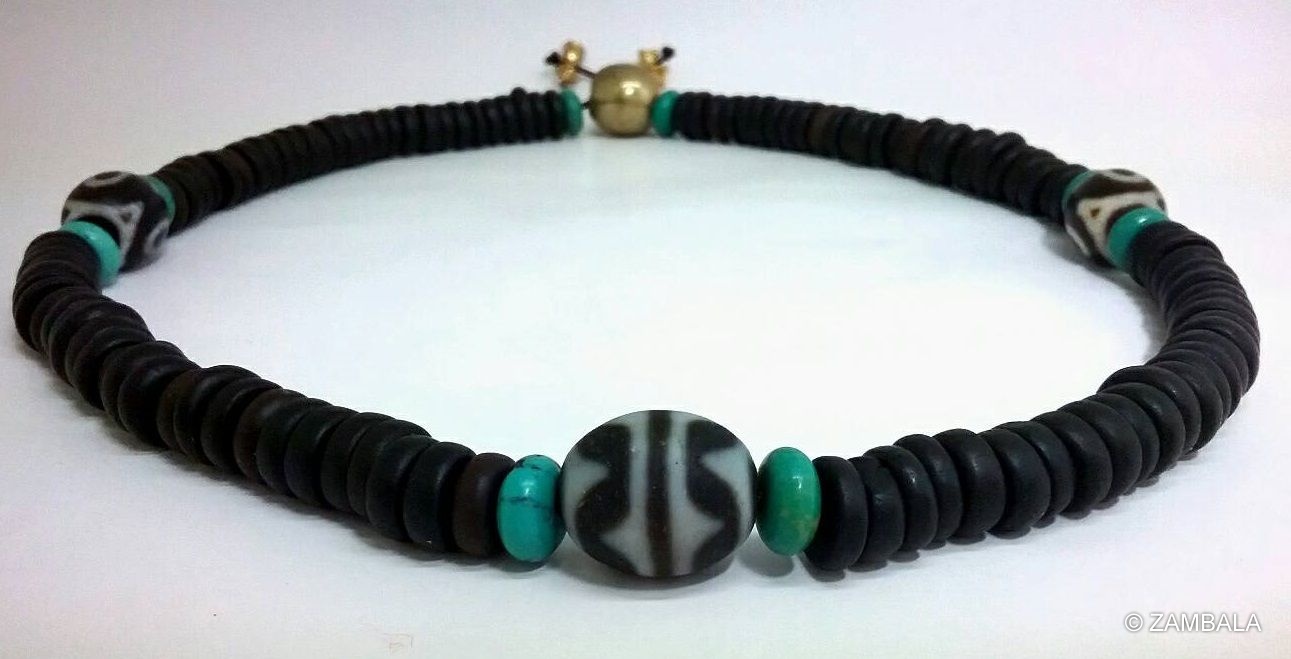
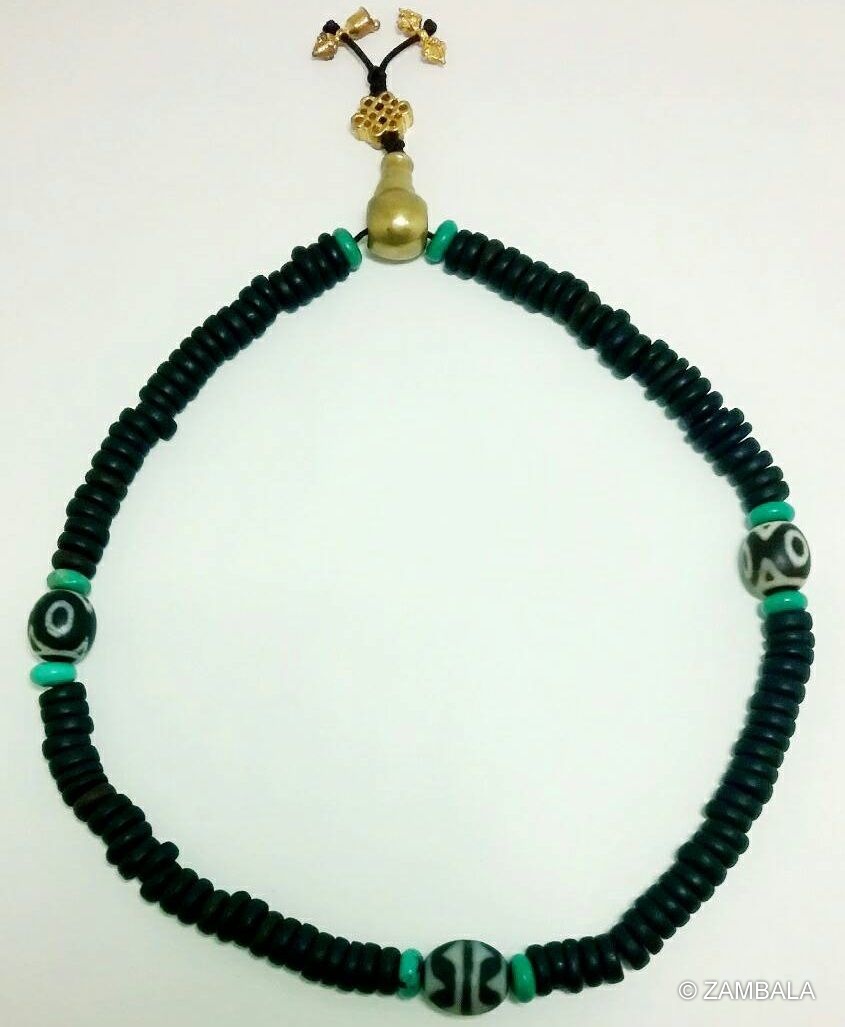
Material: Old sandalwood prayer beads (Dzi beads + copper fittings + imitation coral)
Size: 14 mm, 108 beads
Description:
Sandalwood prayer beads primarily use **small-leaf sandalwood** (scientific name Pterocarpus santalinus, also known as sandalwood or red sandalwood), the true "sandalwood," originating from southern India (such as Andhra Pradesh and Tamil Nadu), with smaller quantities also found in Sri Lanka and Nepal. This tree grows extremely slowly, requiring hundreds or even thousands of years to mature. Its heartwood is deep purplish-red, dense, oily, and emits a faint sandalwood fragrance. Due to its scarcity, it is listed as an endangered species and protected under international trade conventions.
Small-leaf sandalwood is considered a precious material in Buddhism, often listed alongside white sandalwood as one of the "five fragrances" of Buddhism (along with agarwood, white sandalwood, and purple sandalwood). It differs from common sandalwood (Santalum album, white sandalwood), but due to its fragrance and hard texture, it is equally suitable for making prayer beads.
Production Process
The production of small-leaf sandalwood prayer beads is primarily handmade, emphasizing material selection and craftsmanship:
1. **Material Selection**: High-quality beads are made from old wood (heartwood over 100 years old), with high oil density and abundant "golden flecks" (golden spots formed by mineral deposits). New wood initially appears reddish-brown and requires a long oxidation period to turn into a purplish-black luster.
2. **Processing**: The log is cut into small pieces → made into beads (round beads, usually 6-18mm in size) → drilled → hand-polished (without dyeing, preserving the natural grain).
3. **Stringing**: Commonly, 108 main beads (symbolizing the severing of 108 afflictions) are added, along with a mother bead (Buddha head), spacer beads, and disciple beads, strung together with thread. The finished product needs to be handled (hand-rubbed or wiped with a cloth), allowing the body's oils and oxidation to form a patina, enhancing its luster and aroma.
The production emphasizes naturalness; high-quality prayer beads have high density, sink in water, and develop a warm, jade-like surface after handling.
Influence on Buddhism
The rosary (Buddhist prayer beads) originated in ancient India. Buddhist scriptures, such as the *Mokusanpa Sutta*, record that the Buddha taught the use of 108 beads strung together from soapberry seeds (Sapindus mukorossi) to recite the Buddha's name (Buddha), Dharma, and Sangha, thus eliminating afflictions. Rosaries are used for counting recitations of mantras and to aid in concentration.
Purple sandalwood rosaries are particularly favored in Buddhism:
- **Symbolic Meaning**: Purple sandalwood is hard, durable, and has a delicate fragrance, considered a "sacred wood," symbolizing wisdom, auspiciousness, and longevity. Buddhism believes it has calming and protective properties, helping practitioners quiet their minds and eliminate negative energy.
- **Practical Uses**: When worn or used, the fragrance aids meditation and reduces stress; the process of handling and playing with it promotes focus, aligning with the practice of counting recitations. Purple sandalwood rosaries are commonly used in Han Chinese Buddhism (especially Pure Land and Tantric Buddhism) and Tibetan Buddhism, and high-ranking monks often wear them to enhance their dignified appearance.
**Cultural Influence:** Sandalwood prayer beads are not only religious implements but also a symbol of piety for Buddhists. Many modern people (even non-devout believers) wear them as ornaments for blessings and peace of mind, continuing the Buddhist spirit of "overcoming the 108 afflictions."
In short, sandalwood prayer beads, combining a rare material with Buddhist teachings, have become a vehicle for spiritual practice and cultural transmission. Traditionally, wearing them for a long time is believed to calm the mind, promote health, and bring peace and good fortune.
|
|
|
 |
|
|
|
|
|
© 2026 Zambala inc. All Rights Reserved. No part of this site may be reproduced without our written Permission.
Service Mail: ZambalaLLC@gmail.com
Phone: (626) 289-9787 or 1(888)Zambala (926-2252)
Fax: (626) 289-9719
1904 West Valley Blvd. Alahambra, CA 91803 USA
Unless stated otherwise in content's license. Design By
|
|
|